My local Kroger must have bought too much brisket, because they were closing them out — I ended up picking up 2 full packer choice grade briskets at $1.99/lb. One went in the freezer; this one I prepared with my standard overnight process. I normally run my 18″ WSM for brisket, but decided to try this one on the 22″ instead. The 18″ is tried and true, but my initial experience with the 22″ was that it used more fuel and was a bit harder to manage — I think part of that comes down to the water pan being bigger on the 22″ and me previously overfilling it on smaller cooks.
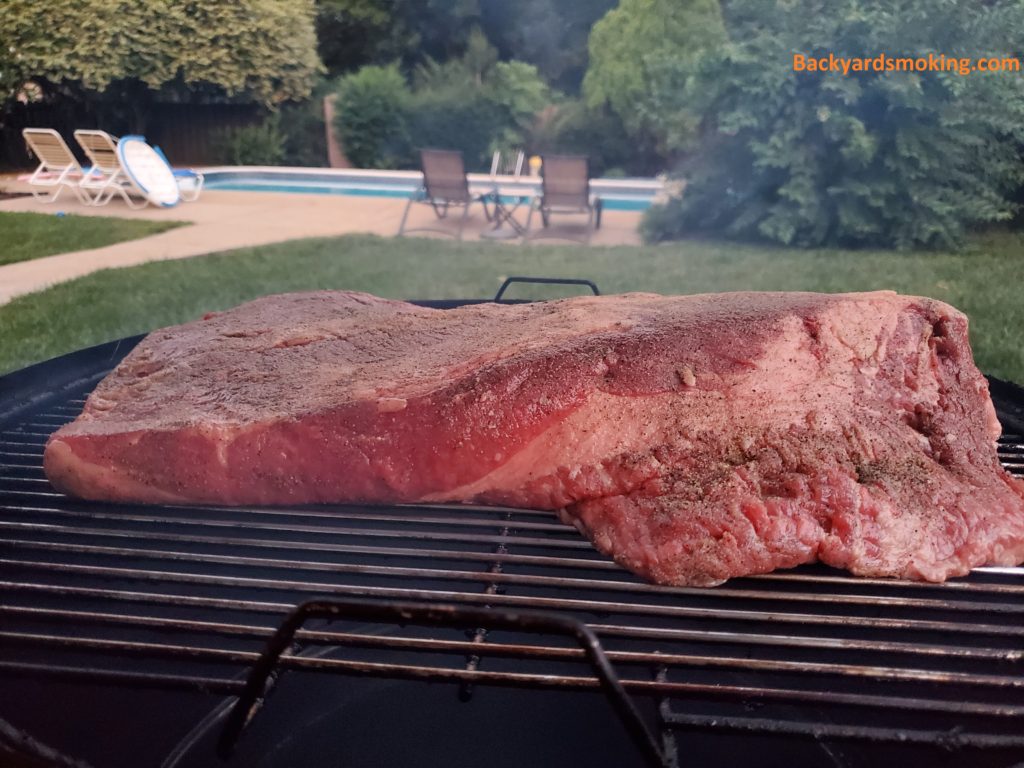
This brisket came in slightly over 13 lbs, and I trimmed about 2 lbs of hard fat off before seasoning. I’m a traditionalist on beef — nothing exotic, no fancy rubs, no injections. Just salt, pepper, and garlic powder.
Why the 22″ Made Sense Here
The 18″ WSM’s one real limitation is cooking a large brisket. I’ve had to make big ones fit before, but the ends end up exposed to higher heat since they extend past the water pan below. This one fit the 22″ great, with plenty of room to spare. I purposely didn’t fill the water pan all the way — added 1.5 gallons of hot tap water instead. Water serves two purposes in my mind: it helps stabilize the temp, and on long smokes it helps keep the meat from drying out.
I used hickory, buried in Kingsford Blue Bag charcoal. I lit about 3/4 of a chimney, poured it on, and added a couple extra wood chunks for immediate smoke.
The Overnight Smoke
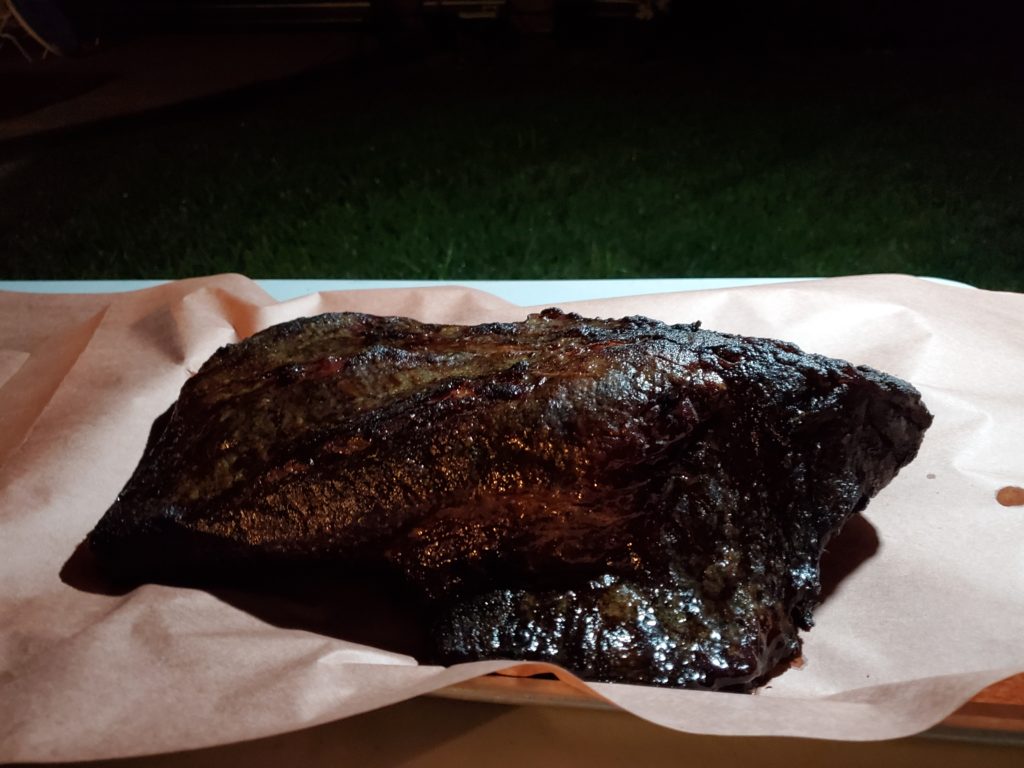
I started right at 8:00 PM and checked in every thirty minutes to make sure it was climbing and holding temp. I laugh at people who think you have to babysit food on a smoker like this. After a few small vent adjustments, I settled on the front vent at 50% and one of the other two at 25%. I went to bed at 9:30 after three checks. I don’t use continuous probes or electronic monitors — I just trust the smoker to do its job.
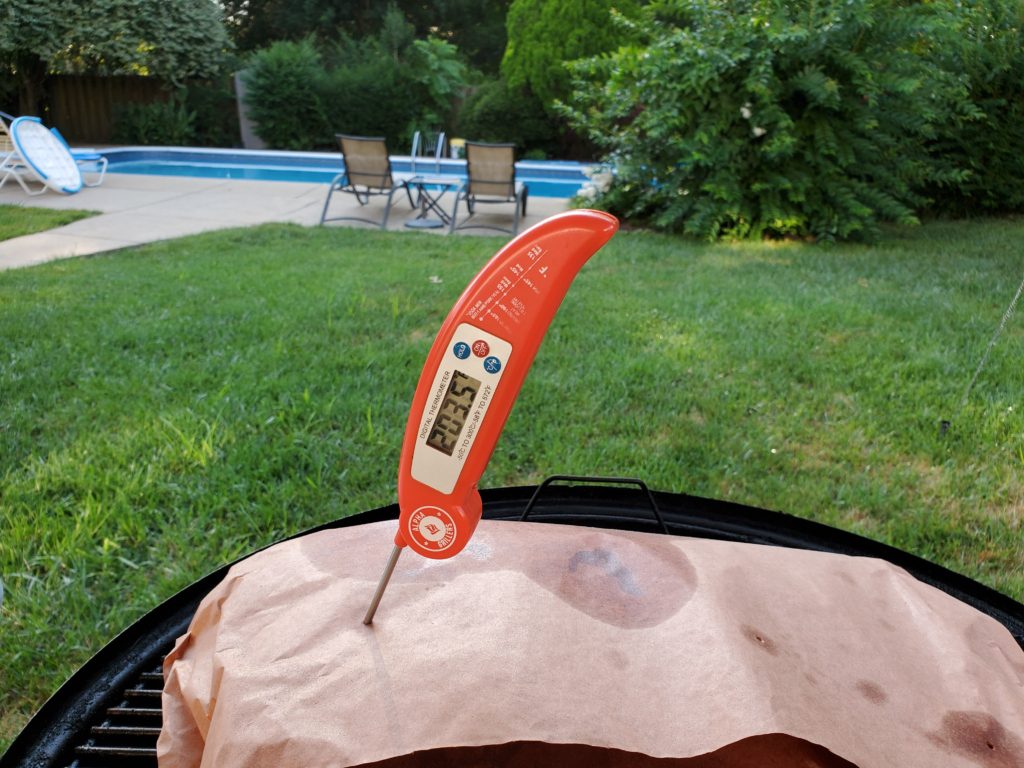
I woke up early, around 5:00 AM, checked the brisket, and it was reading 165°F, so I wrapped it in pink butcher paper — the Texas crutch. It speeds the cook along, and unlike foil, butcher paper lets the brisket breathe while still holding onto the bark.
Pulling and Resting
The brisket came off around 7:30 AM, finishing in under 12 hours. It ran a little hotter than expected, and the water pan was nearly empty by the time I wrapped it — I topped it off at that point. I closed the vents to put out the coals and moved the brisket to a cooler with towels to rest. When I broke the smoker down afterward, there was still enough fuel left to have gone a couple more hours.
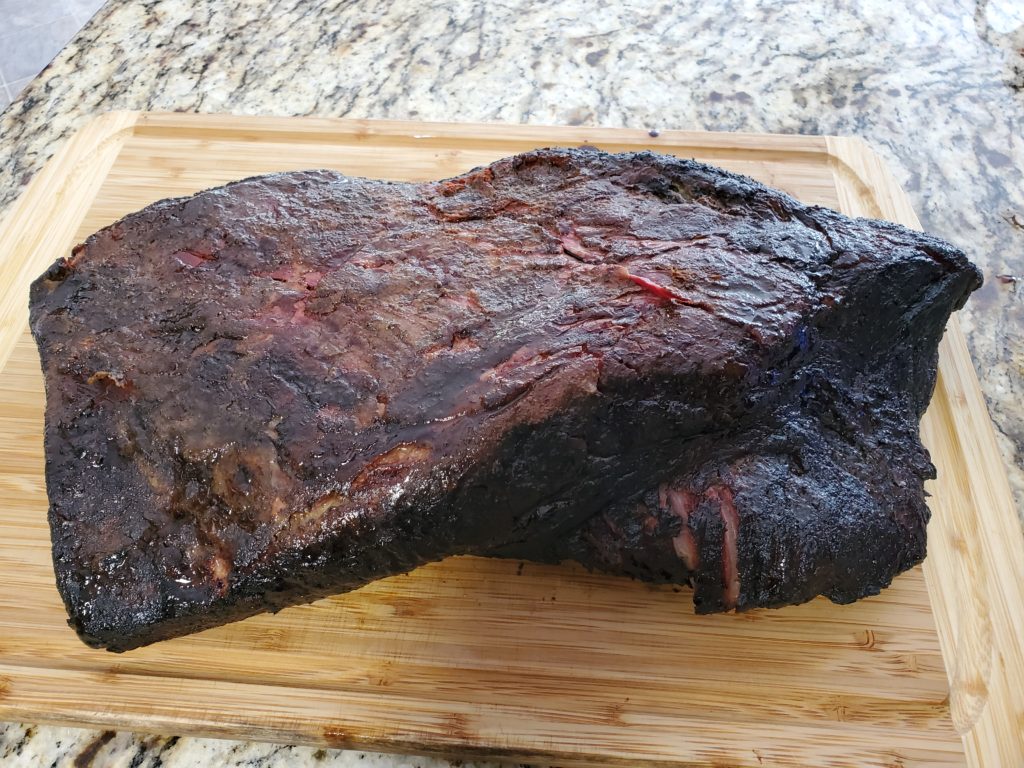
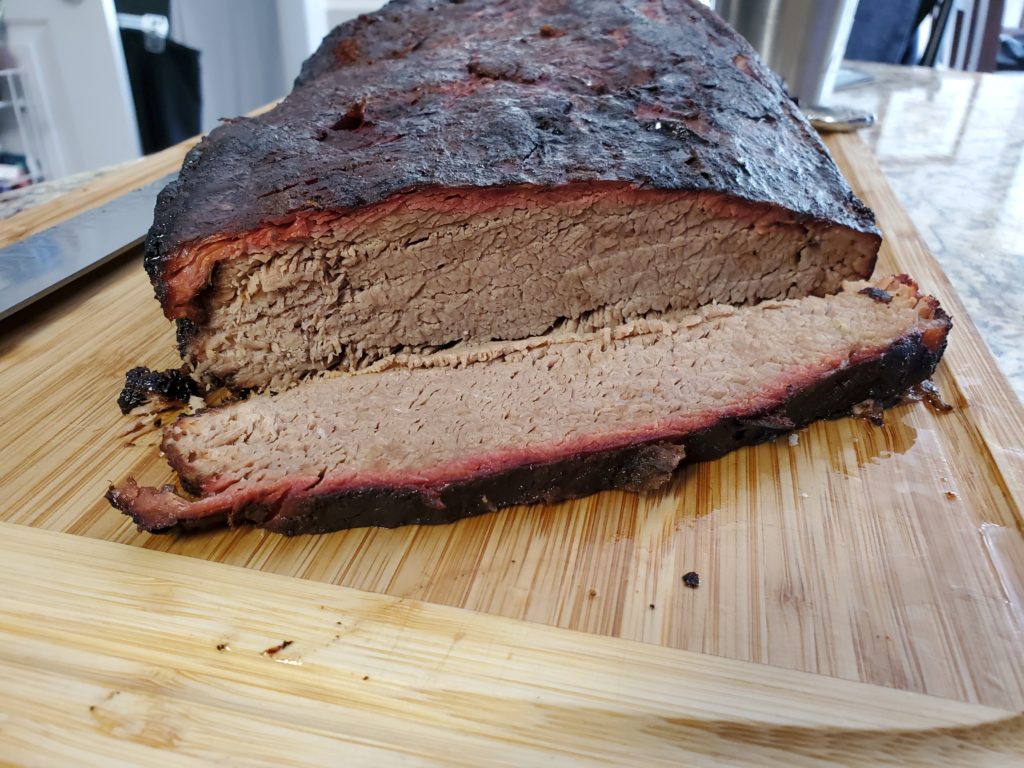
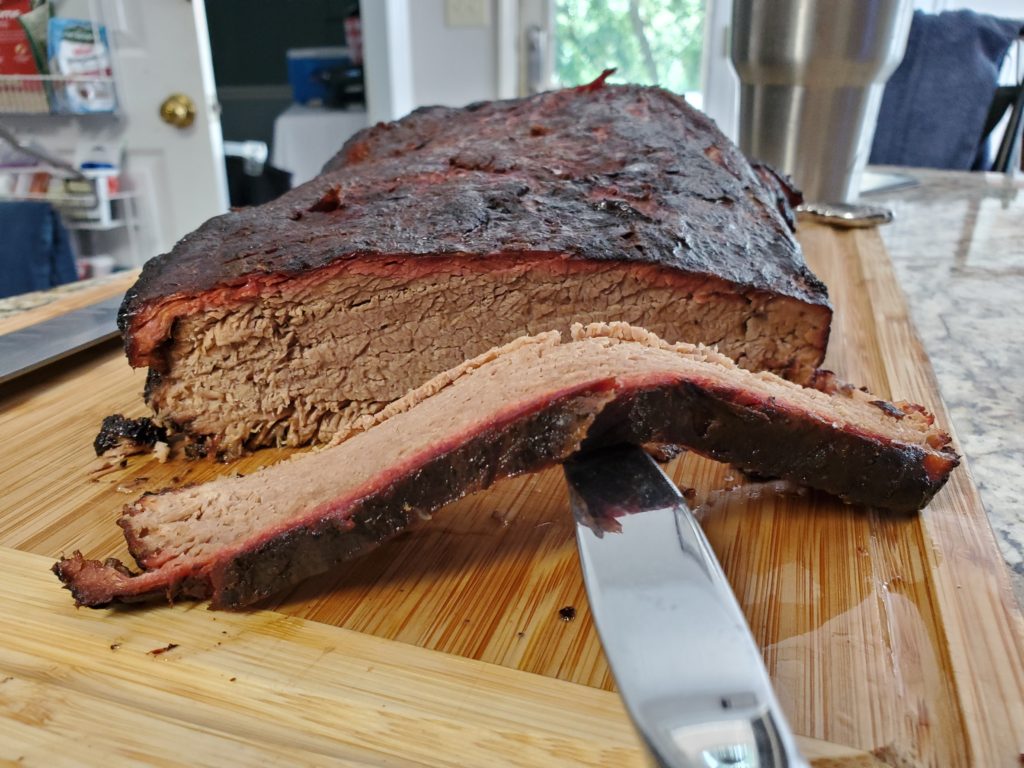
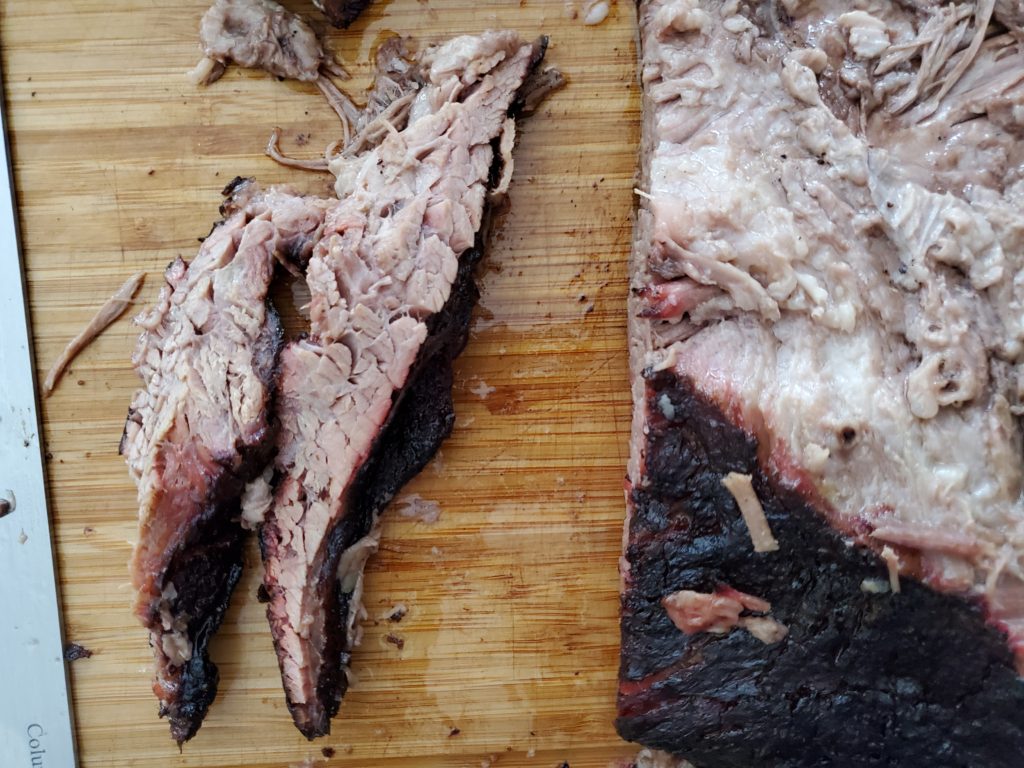
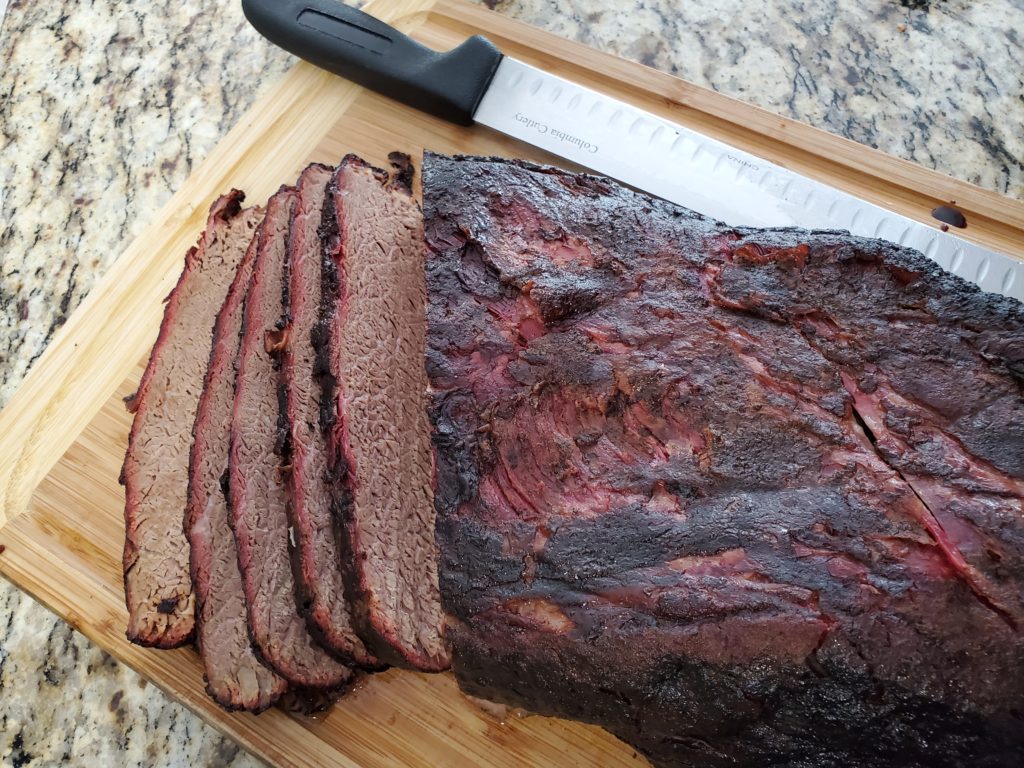
I rested it almost three hours before slicing — wasn’t interested in “breakfast brisket.” I was genuinely pleased with the whole process and came away with a new respect for the 22″ WSM.
Want to see the standard overnight method that I’ve relied on the most over the years? Check out my Overnight Smoked Brisket post.