The Setup
I placed 40 wings in water to thaw them out in advance, then lightly seasoned all 40 with salt and pepper.
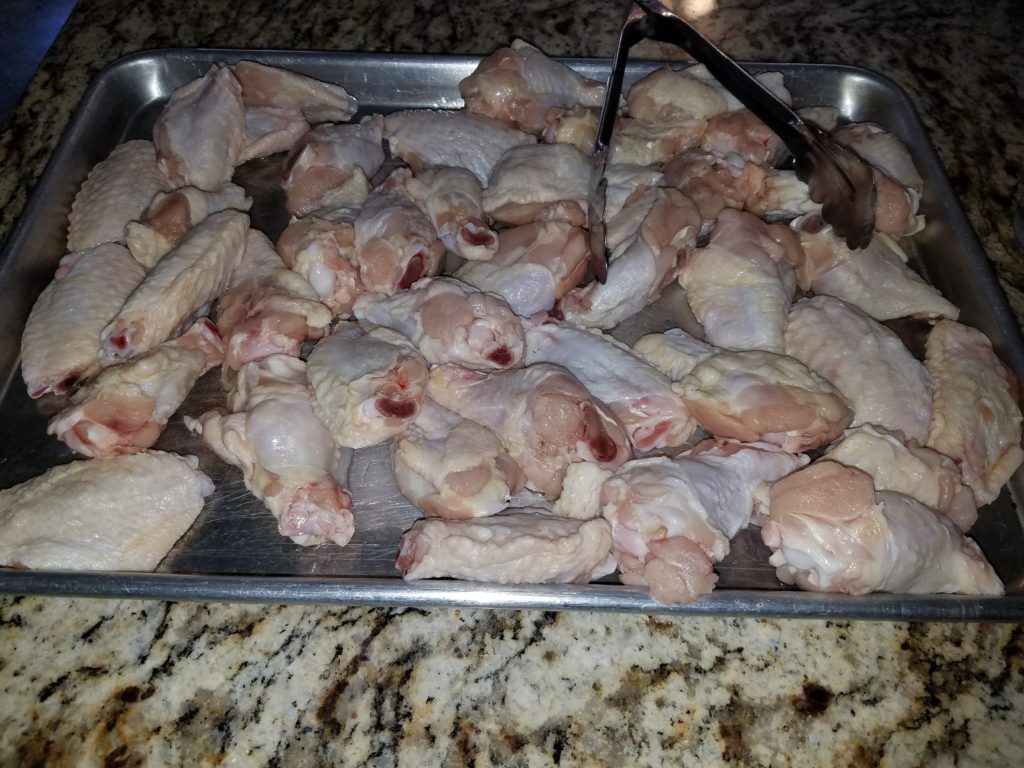
I split them into two batches of 20, to run a real side-by-side comparison: same total time, same rub, same wood, same finish — just the order of smoking and sous vide reversed.
Batch A: Sous Vide First
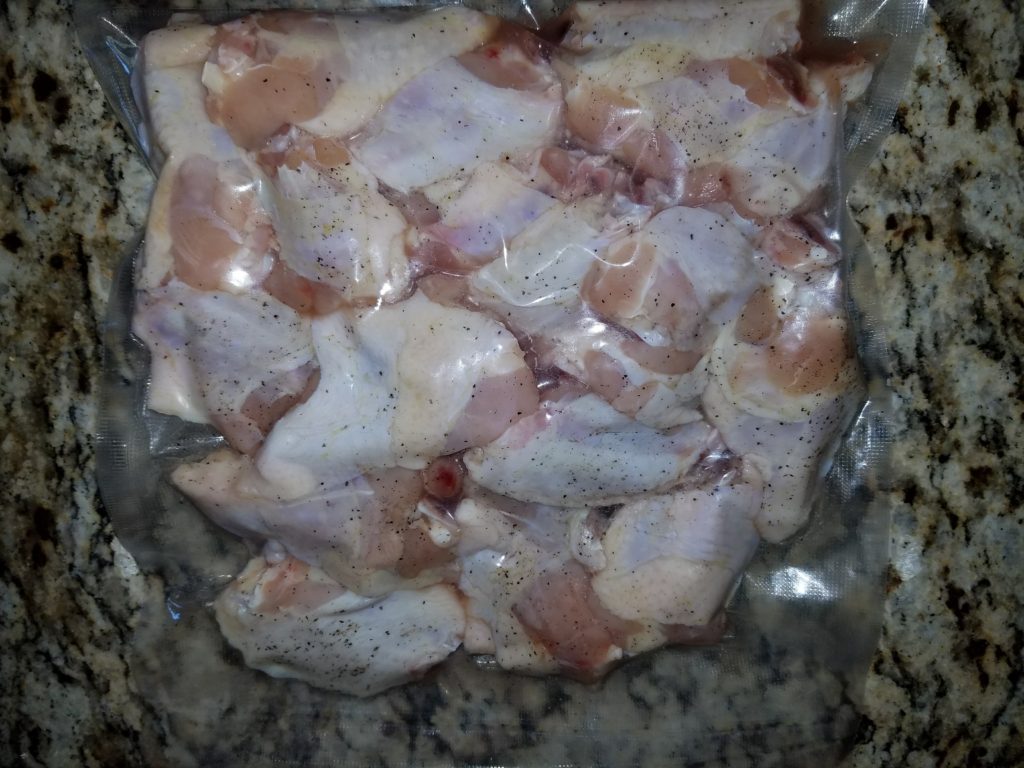
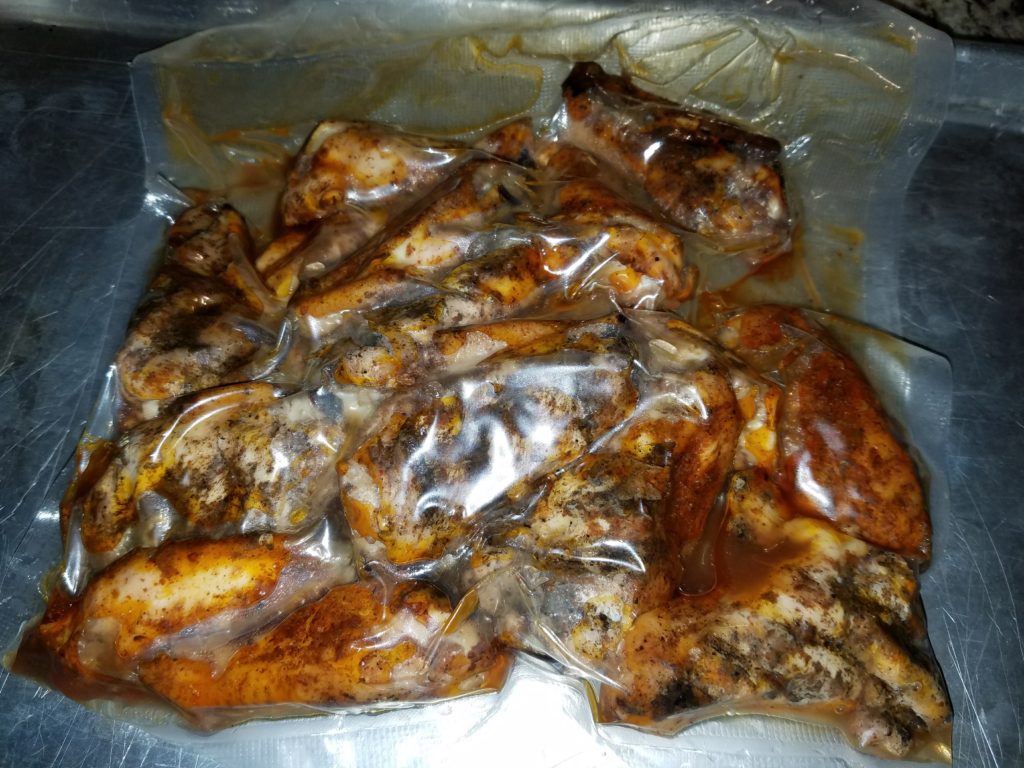
I took 20 of the wings, sealed them with my FoodSaver, and placed them in my sous vide container — a modified cooler. I set the machine to 144°F and let this batch go for two hours.

Batch B: Smoked First
I took the other 20 wings and applied the rub — garlic powder, onion powder, and paprika. The plan for these was to smoke at 225°F with hickory wood for 1 hour, then bag and sous vide them for two hours.
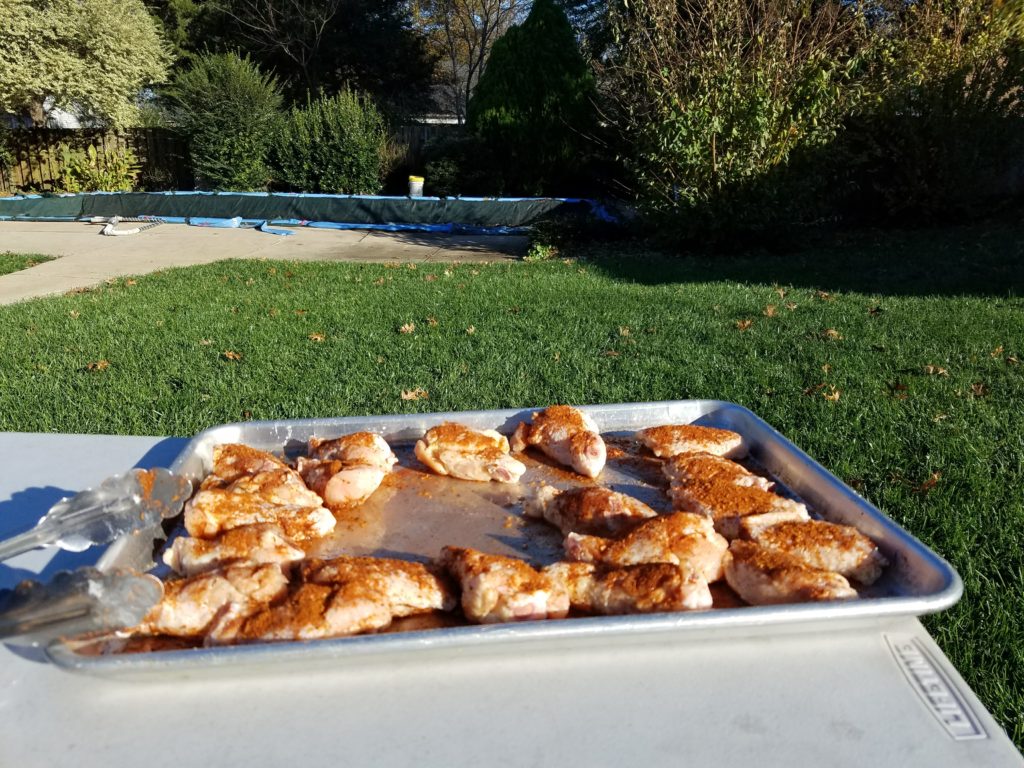
Onto the smoker they went.
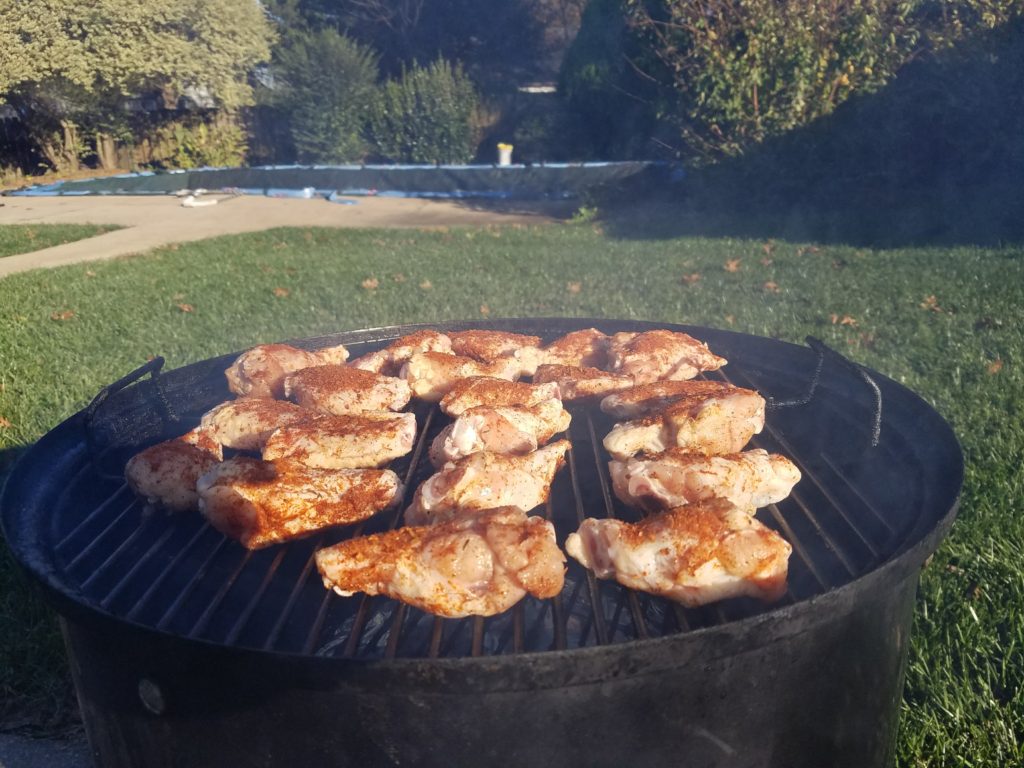
At the end of an hour, the wings were about 125°F internal and taking on some nice color.
The Bath, Together
I placed the smoked wings in a vacuum bag, sealed them, and put them in the same sous vide container that was running at 144°F — joining Batch A, which had already been in the bath for an hour.
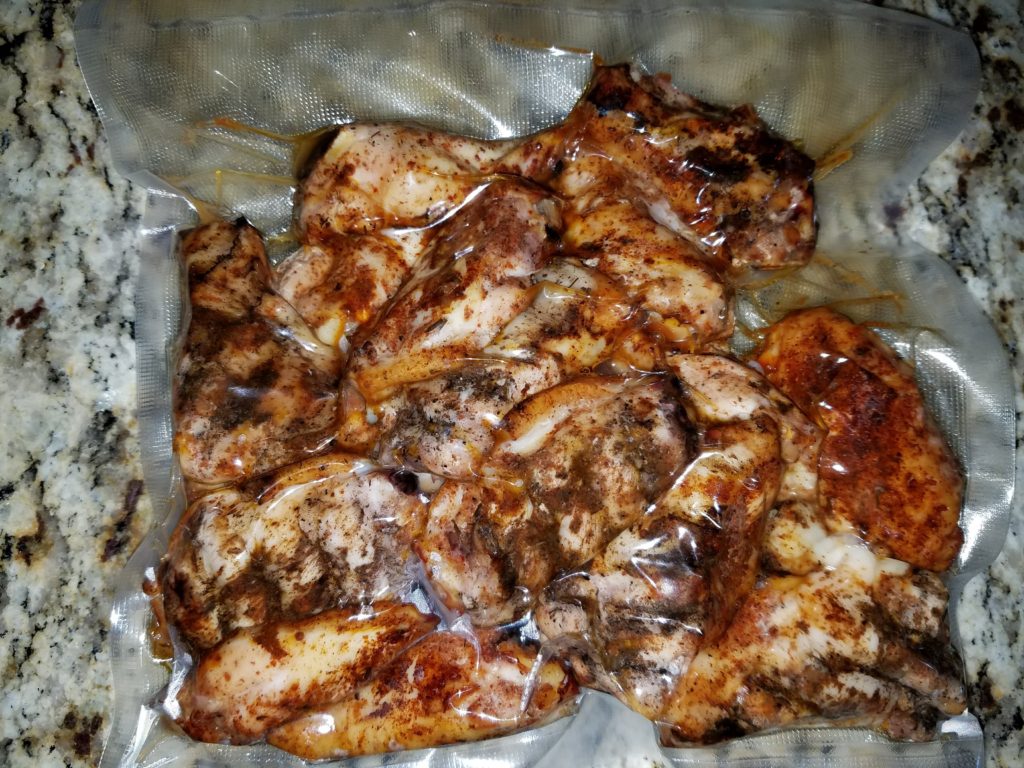
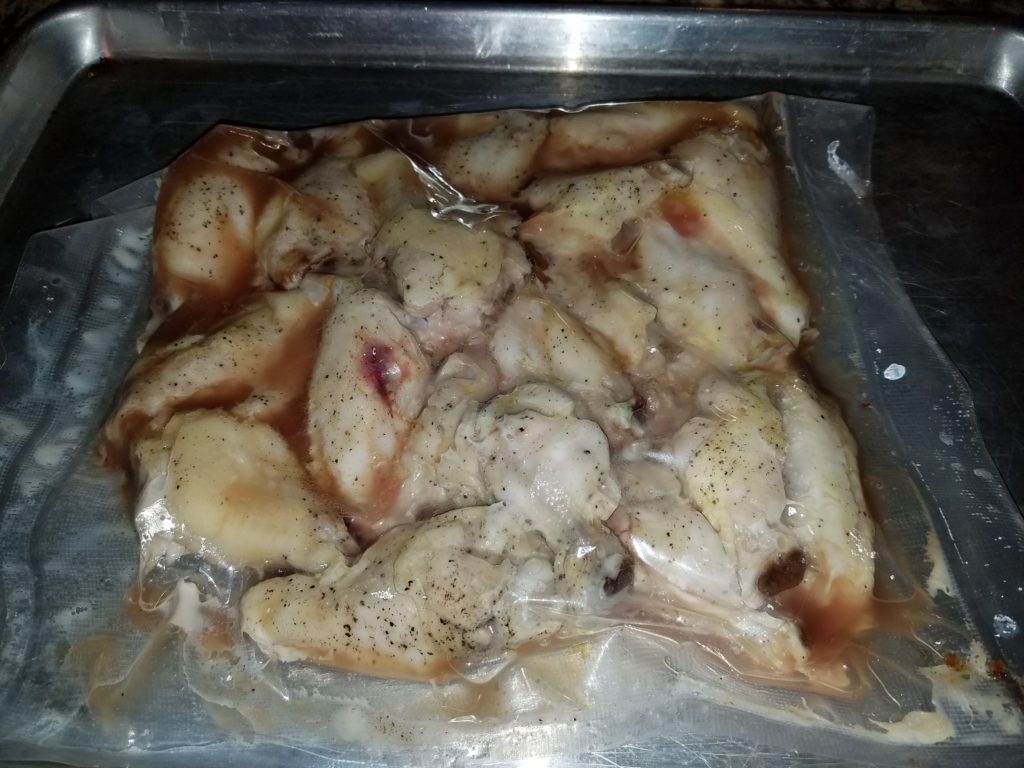
After placing the second bag in the container, I waited an hour and removed the first bag — Batch A had been in the bath for a full 2 hours at that point.
Batch A’s Turn on the Smoker
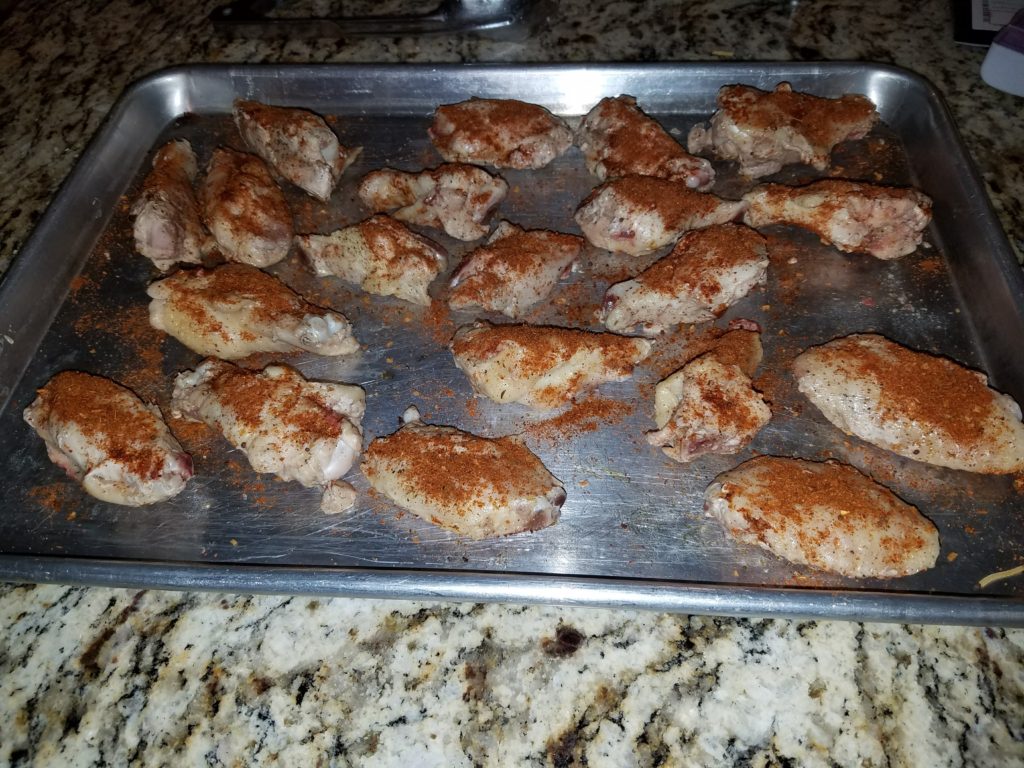
I drained the liquid from the bag, applied the same rub, and placed them on the smoker with some additional hickory wood.
Batch B Finishes Its Bath
After Batch A was on the smoker for an hour it was removed from the smoker. I also removed the bag from the sous vide that had previously been smoked for an hour and then in the bath for 2 hours and drained the liquid.
Both batches finished at the 3-hour mark from start to finish — same total time, just the smoke and bath order reversed.
The Finish
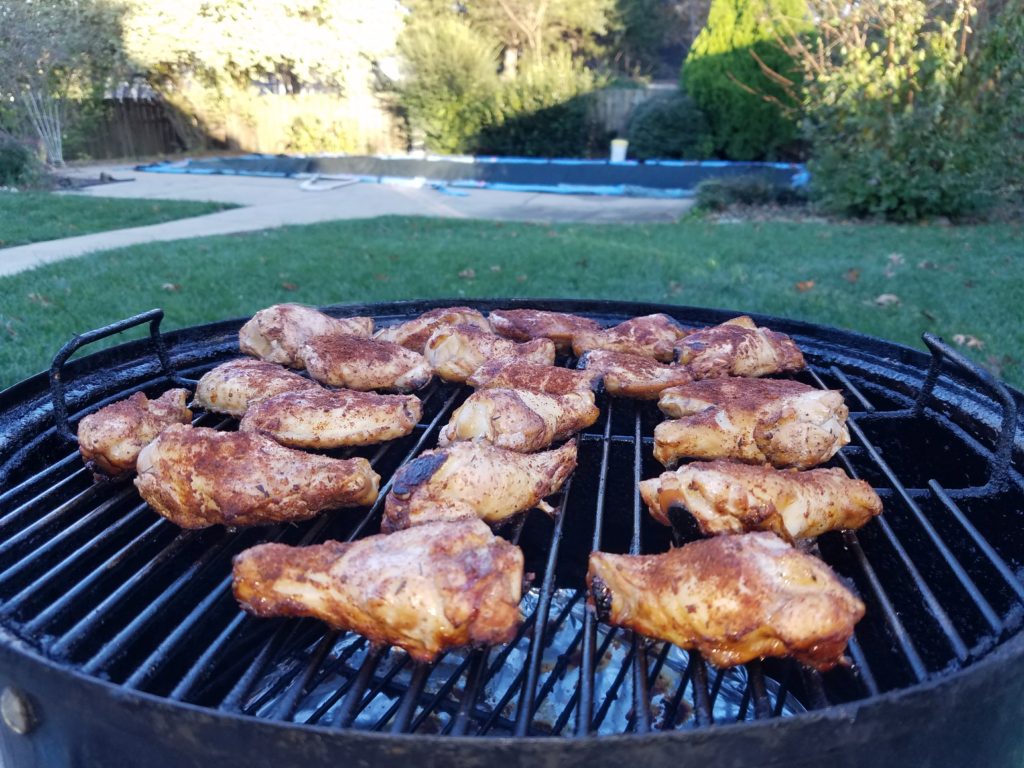
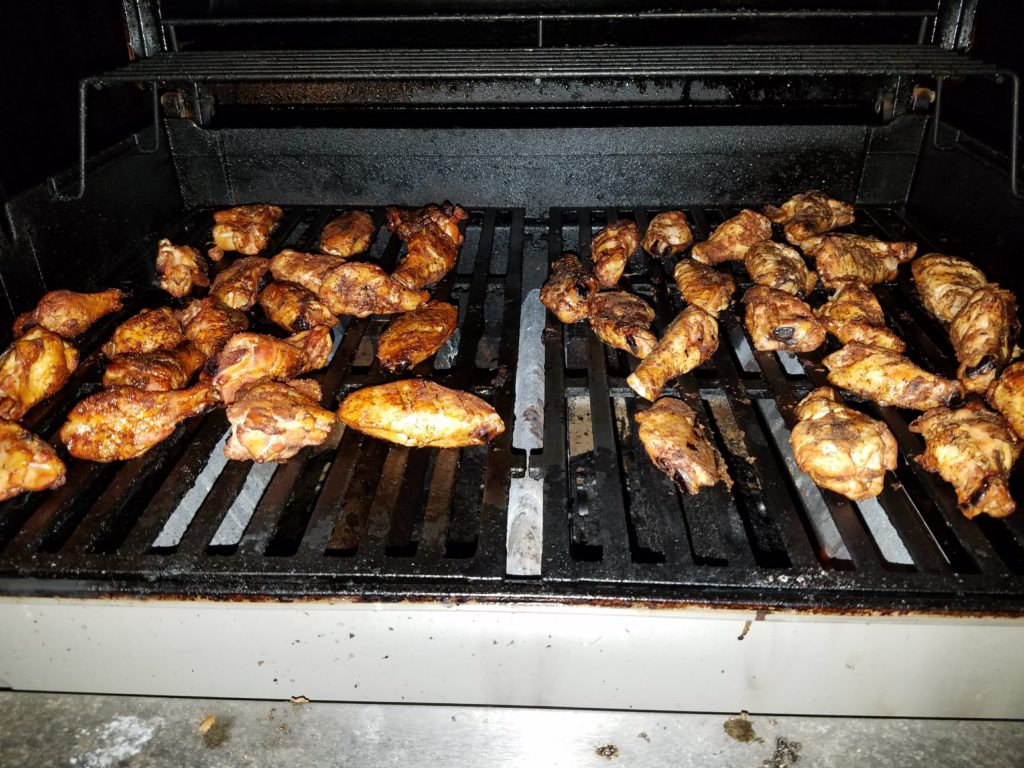
As usual, when smoking or preparing meat via sous vide, it requires some heat at the end. My go-to with chicken wings is a hot propane grill to crisp them up. I placed both batches, separated, on the hot grill to finish.
The Taste Test
And then it was on to the taste test.
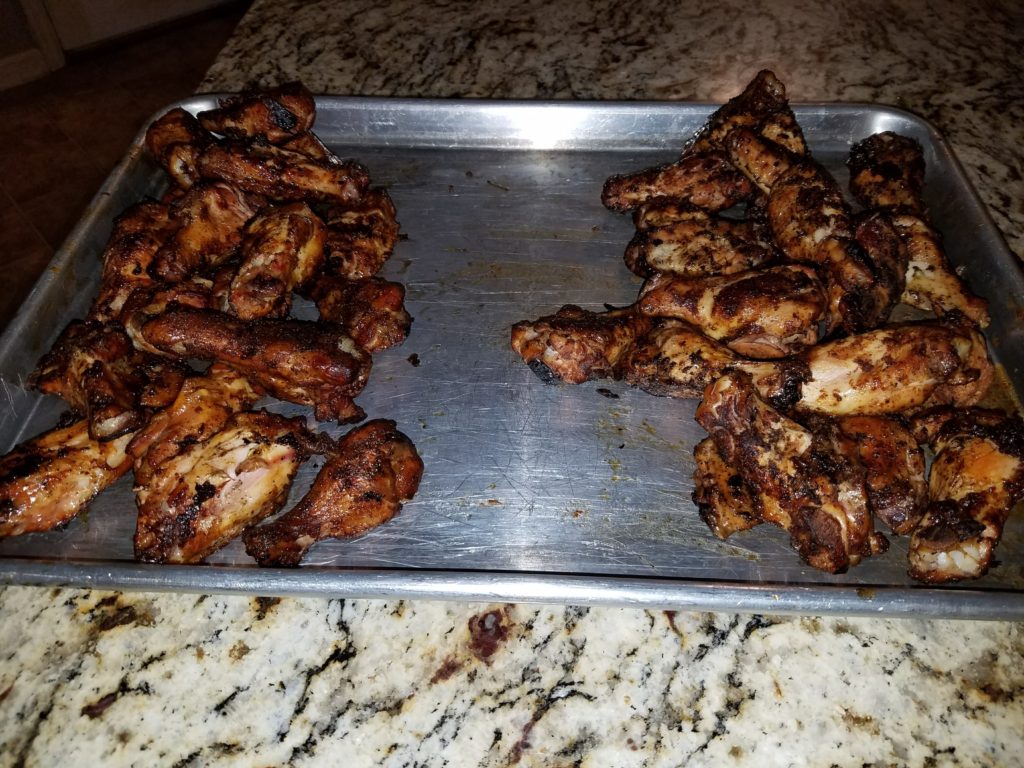
The wings on the left were smoked at the end (Batch A — bath first, then smoked). The ones on the right were smoked first (Batch B). Although both were fantastic — better than my normal wings, which are pretty good to begin with — I preferred the smoked-then-sous-vide batch. They had noticeably more moisture. My guess is that keeping them around 125°F during the smoke phase, then finishing them at 144°F in the bath, helped. The sous-vide-then-smoked batch came out of the bath at 144°F and then spent a full hour on the smoker before the grill — more total time exposed to drying heat after the bath, which I think explains the difference.
What’s Next
Next time I’ll do all of them with a short smoke first, then split the finish — some on the grill, some in the air fryer — to see which finishing method comes out better.
This was one of two times I tested sous vide against my normal smoke-then-grill method — the other on chicken thighs, testing cast iron against the grill for the finish. See Sous Vide, Smoked, Then Seared Chicken for that one, or The Complete Guide to Smoked Chicken for the full picture of what I’ve learned across all of these experiments.